Red stem (Akakei)
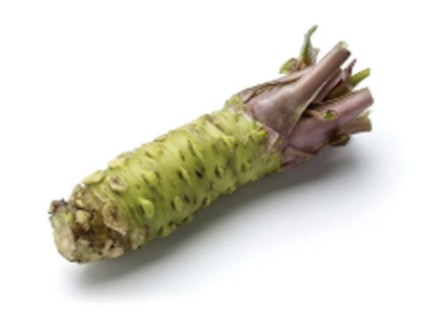
Mazuma is known for the red-stem wasabi, particularly prized by growers and chefs for its flavor complexity and quality. It is rarer on the market because it needs a longer growing time and specific conditions.
Mazuma is known for the red-stem wasabi, particularly prized by growers and chefs for its flavor complexity and quality. It is rarer on the market because it needs a longer growing time and specific conditions.
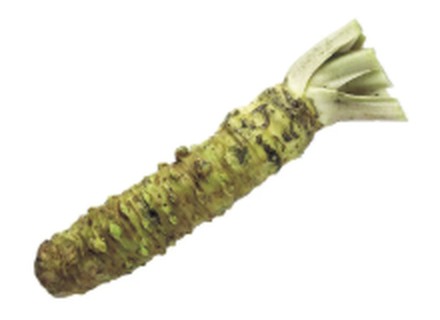
Daruma is known for the green-stem kind and is commonly imported to the U.S. It has a relatively gentle, refined pungency and is more widely cultivated than the red-stem kind.
Nagano is famous for its exceptionally clear, cold spring water, supplied by snowmelt from the Northern Japanese Alps. The water flows continuously through extensive wasabi fields, creating ideal conditions for sawa-wasabi, or water-grown wasabi.
Shizuoka is particularly famous for its traditional water-wasabi cultivation. One of its most distinctive features is the Tatami-ishi method, developed in the Izu area around 1892. Layers of stones and gravel filter and circulate spring water through terraced wasabi fields, keeping the water clean and supporting high-quality rhizome production.
Iwate's specialty is different from Nagano and Shizuoka. Rather than growing wasabi in flowing mountain streams, Iwate is famous for hatake-wasabi, grown in cool, shaded forest environments. Its extensive forests and relatively cool summers suit this type of cultivation.